Berry & diced fruit IQF
Soft fruit tears under aggressive fluidization. Loading stays lower than pea trials, glaze pickup is measured, and sticky sugar films drive CIP frequency higher than leafy vegetables.
Horizontal application stories
Scroll the pillars, then compare transformation cases where fruit IQF, vegetable packs, meals and seafood each force different belt, dwell and hygiene choices.
Soft fruit tears under aggressive fluidization. Loading stays lower than pea trials, glaze pickup is measured, and sticky sugar films drive CIP frequency higher than leafy vegetables.
Blancher exit moisture and cut size set belt kg/m². Under-dewatered broccoli can collapse fluidization beds that looked stable on dry peas during factory acceptance tests.
Tray height and sauce splash define tier clearance. Spiral dwell minutes must match packaging sealers; oversized freezers simply fill cold-store aisles if baggers lag.
Surface glaze, drip loss and allergen zoning constrain air velocity and drain design. Ready-to-eat smoked portions need airflow separation from raw fillet rooms.
Stick novelty and cup desserts favor spiral or plate routes. Stick-out and decoration fragility matter more than maximum theoretical kg/h.
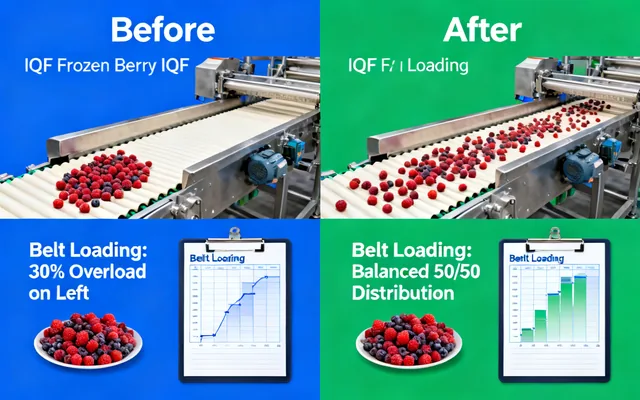
Background: In the 2023 berry peak, mixed sizes caused clumping on a shared IQF belt. Process: Separate loading matrices for blueberries vs diced mango, add dewpoint monitoring at glaze. Result: Acceptance limited to the tested fruit sizes and belt speeds; mango puree inclusions stayed out of scope for that release.
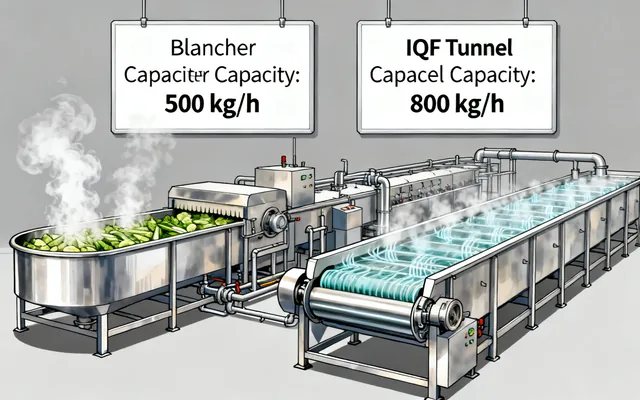
Background: The 2024 pea season required 8,000 kg/h peaks while corn stayed at 5,000 kg/h. Process: Dual recipes for belt speed and evaporator duty with shared CIP. Result: Peak rating applies when dewatering meets the stated % solids; wet corn cannot claim the pea chart.
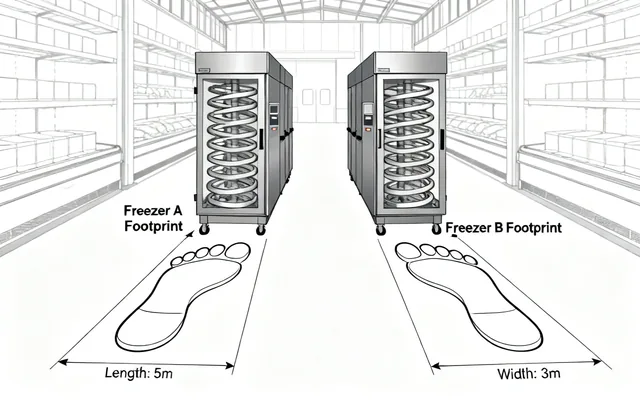
Background: A 2025 tray-meal plant needed more dwell without expanding the building envelope. Process: Compare tier count vs longer tunnel IQF for sauces that cannot fluidize. Result: Spiral selected; sauce splash clearance and CIP access became contractual hold points.
| Comparison | Argument A | Argument B | Freezer implication |
|---|---|---|---|
| Glass vs polycarbonate greenhouse supply | Glass: Higher light transmission and longer glazing life for high-value crops. | Polycarbonate: Better insulation and impact resistance at lower installation risk. | Capture piece-size mm and harvest-window moisture—not the glazing brand—on the IQF intake sheet. |
| IQF freezing vs spiral freezer | IQF: Favors free-flowing pieces when fluidization holds. | Spiral: Favors trays and irregular meal packs when dwell and height dominate. | Do not convert a 2024 pea IQF rating into a 2025 meal claim without a new dwell trial. |
Across these cases, IQF freezing remains preferable for free-flowing pieces while spiral freezers absorb tray geometry. Processors still weighing drip irrigation grower programs versus greenhouse supply should update soil and pesticide residue risks in intake CCPs—those farm choices affect washers long before the freezer belt, but they belong in the same specification conversation.
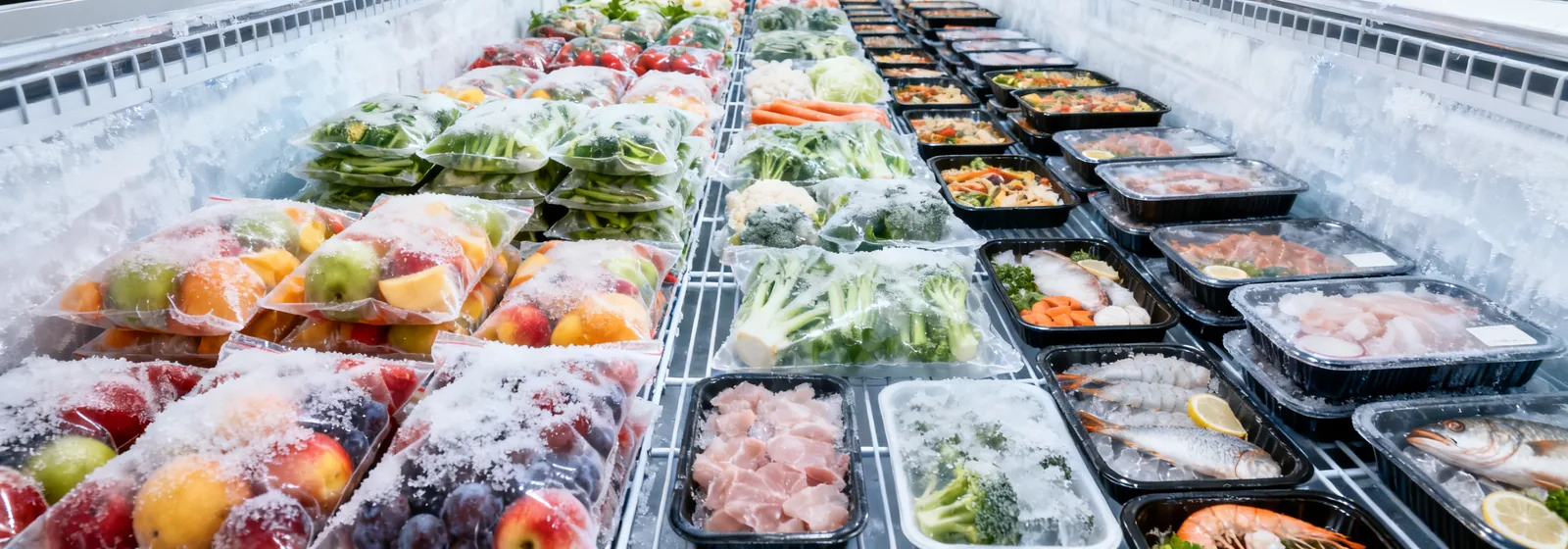
Industry approval starts with actual pieces, trays, temperatures and audit rules.